
• -5%
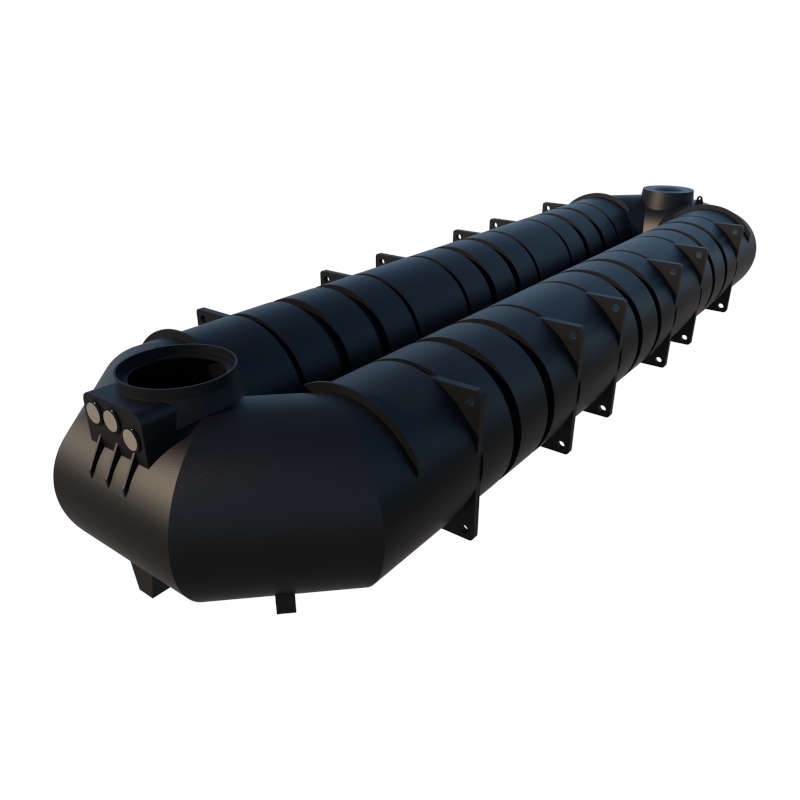
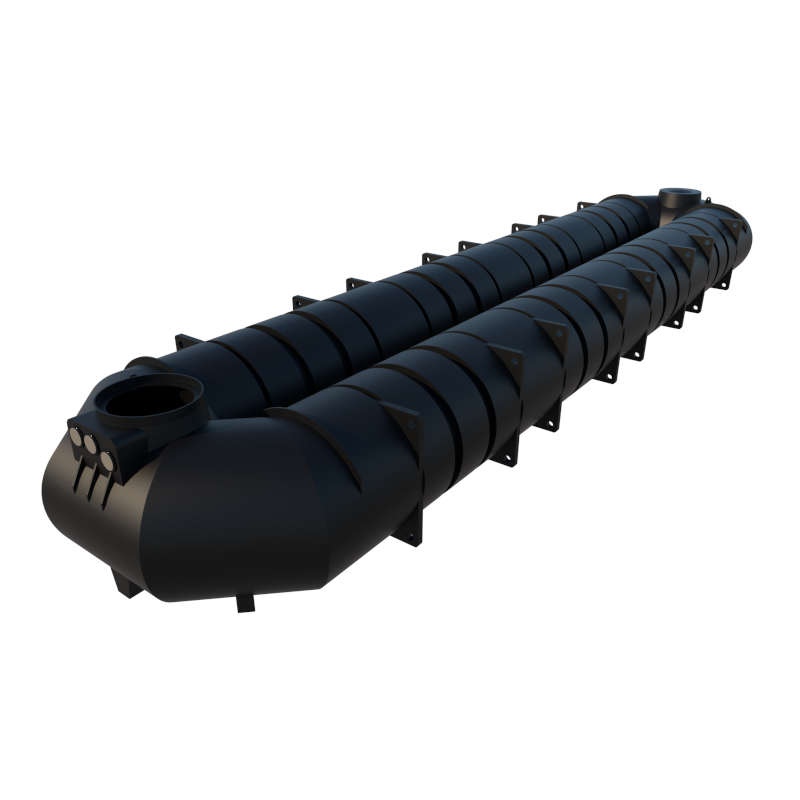
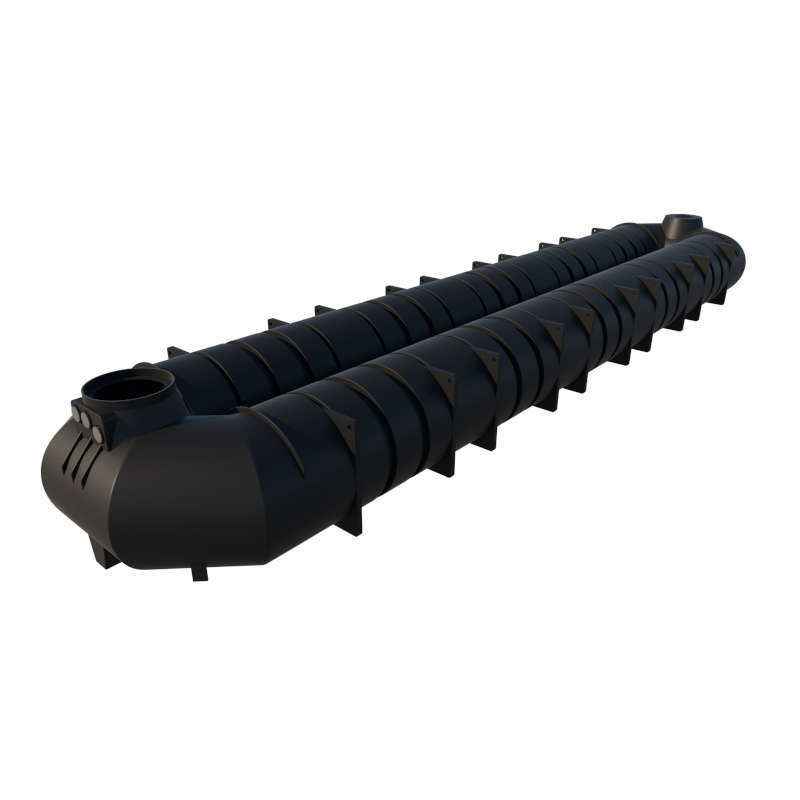
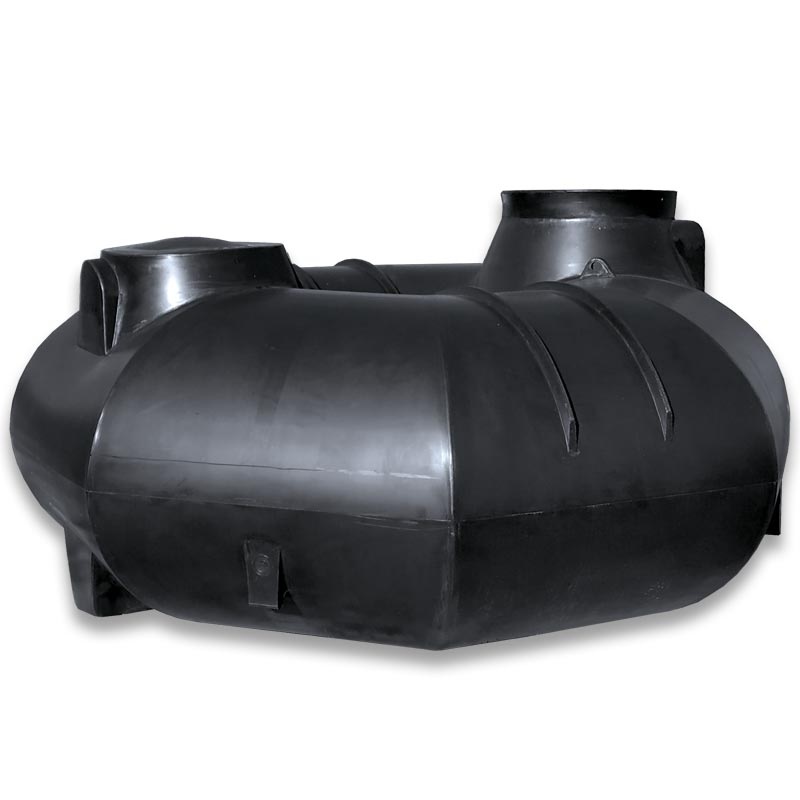
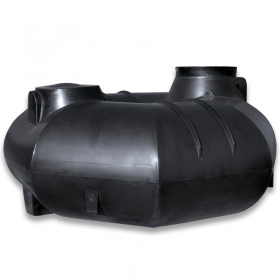
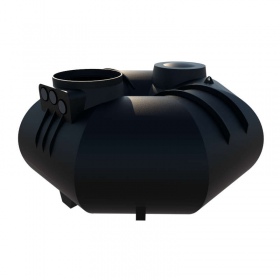
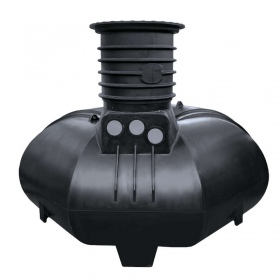
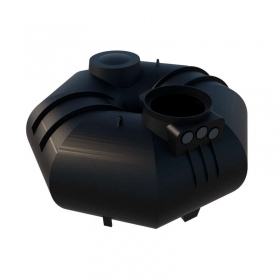
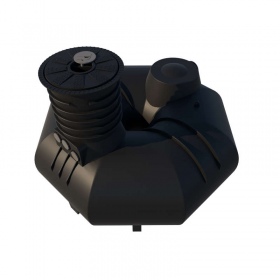
Octagon rainwater tank 4000 l
  • Octagon rainwater tank 4000 l
  • Octagon rainwater tank 4000 l
  • Octagon rainwater tank 4000 l VS60
  • Octagon rainwater tank 4000 l
  • Octagon rainwater tank 4000 l VS60

Octagon rainwater tank 4000l

5/5 z 2 recenzji produktu Write a review Write a review
7,122.00 PLN 5%
6,765.90 PLN tax incl
5,500.73 PLN tax excl
The lowest price of this product in the last 30 days before the discount was 6,409.80 PLN gross
OTGN0400
Capacity:
Delivery time 7-14 days
Ask about the product
  • Octagon flat rainwater tank
  • Easy installation in difficult groundwater conditions
  • Capacity from 4,000l to 21,500l


Download PDF

Product compliance details: Manufacturer responsible for the product

Responsibility for the Product

Octagon

Manufacturer MPI Group Sp. z o.o. Magazynowa 5 62-070 Zakrzewo Poland biuro@mpi.com.pl

MPI Group Limited Liability Company is a company that has been in business for more than 15 years, offering comprehensive solutions in the selection, sales, commissioning and service of environmental equipment, including rainwater management systems, tanks, water systems and filtration. The company combines manufacturing, integration and distribution activities, providing equipment for both individual and institutional customers - hospitals, schools, health centres, hotels. MPI's products are individually designed, tailored to the specific application.

MPI ensures that the products offered are certified to European standards and CE marked. The company has positive opinions of the Institute of Environmental Protection, NIZP (formerly PZH), has a technical approval of the Building Research Institute and a National Technical Assessment, which confirms that the equipment meets building and technical standards in force in Poland.

Octagon rainwater flat tank

Underground rainwater tank with a flat, robust construction

The Octagon is a flat underground tank for collecting rainwater, municipal waste water or water for fire fighting purposes. The Octagon tank has a lightweight, robust construction which contributes to the ease of installation. The tank has been patented for its unique construction. The Octagon has a high mechanical strength, which allows it to be founded in difficult ground conditions, along with a foundation in groundwater. The tank comes with a 10-year warranty. The Octagon is manufactured from pure polyethylene using the rotomoulding method.

We also offer complete kits for using rainwater in the garden: GARDEN STANDARD SYSTEM WITH OCTAGON TANK

Advantages of the OCTAGON tank:

  • Permissible installation in difficult soil and water conditions (according to the rules in the installation instructions)
  • Low height - shallower excavation, less earthworks
  • Flat, robust tank construction
  • Can be buried up to 1.5 m (ground level)
  • Low weight, simple installation
  • Can be loaded with road traffic when properly equipped for vehicle traffic
  • Made of monolithic pure polyethylene
  • 3 connections ø110 mm and inspection hole DN600 in each tank.
  • Dedicated place for making the spigot for the battery connection

Foundation in ground water
YES
(maximum 1.0 m above the tank bottom).
Foundation in poorly permeable ground
YES
Maximum ground cover [m]
1,5
Passenger car traffic over the tank
YES
Truck traffic over the tank
NO

Foundation conditions for Octagon tank

  • Cycle and pedestrian traffic over the reservoir allowed, maximum ground level up to 1.5 m. Maximum ground water level up to 1.0 m above the bottom of the reservoir.
  • Passenger vehicle traffic permitted 4.8 kN/wheel (minimum ground surface 0.6 m, maximum 1.5 m). Maximum ground water level up to 1.0 m above the tank bottom.
  • Depending on the type of load, a class B, C or D finial must be fitted to the tank. Use a relief ring, relief cone or relief plate over the tank and a matching manhole of the appropriate class.
Simple groundwater conditions (no groundwater, permeable soils)

Backfill the tank with washed gravel (8/16 mm) free of impurities. Backfill in layers of 10 cm and compact by hand.

Difficult ground conditions (presence of ground water, impermeable ground)

Backfill with 20-30 cm of lean concrete. Complete the remainder of the excavation with a layer of gravel.

For more installation details, please refer to the manufacturer's instructions in the "download" tab.


Technical dimensions:

Volume [l]
Length [mm]
Width [mm]
Body height [mm]
Height with flange [mm]
Inspection hatch
Connections
Weight [kg]
4 000
2450
2450
1075
1375
DN 600
3x DN 110
155
7 500
4480
2450
1075
1375
DN 600
3x DN 110
305
11 000
6510
2450
1075
1375
DN 600
3x DN 110
455
14 500
8540
2450
1075
1375
DN 600
3x DN 110
605
18 000
10570
2450
1075
1375
DN 600
3x DN 110
755
21 500*
12600
2450
1075
1375
DN 600
3x DN 110
905

For the tank, the ascending pipe and lid must be matched, which you will find in the accessories section.

The Octagon tank can be matched with:


*Order fulfilment, cost and capacities from 21,500 l available on request.

Specific References

ean13
5906214495357

This short guide will help you choose the right capacity for your underground rainwater storage tank - without difficult formulas. We will show you how to estimate your needs, count the amount of water from your roof, select the capacity and plan a simple garden installation.

Step 1: Determine what you will use the rainwater for.

List the uses: watering the garden, flushing toilets, laundry, washing the car, housework. This will allow you to estimate the real need for water in a typical week.

  • Garden watering - take a guideline of 20-25 l/m² per month per season.
  • Toilet flushing - approximately 35-50 l/person/day.
  • Laundry - approx. 15-20 l/person/day.
It is advisable to select a tank for 2-3 weeks of typical use - in practice there is no point in storing 'for the whole year'.

Step 2: How much water you collect from the roof (no complicated formulas)


In simple terms, assume: annual rainfall × roof area × runoff coefficient. For most roofs, you can assume a coefficient of around 0.9 (depending on the roofing and the layout of the gutters).


Brief example: calculation of possible rainwater yield

Roof 120 m², annual rainfall ~600mm (approx. 600 l/m²). Estimate: 120 × 600 × 0.8 ≈ 57,600 l/year. This figure helps to select the capacity for a period without rain. And a period without rain can last for 3 weeks. Therefore, you must divide the result by 21 days. That is: (57600 l /365 days)*21 days = 3314 l, the result according to the estimation should be taken as a minimum. Therefore then we choose 4000l , 5000l, 6000l tanks - because of how we will use the rainwater.

Step 3: Selecting the tank capacity

It is most practical to select a tank that will store a supply of water for 2-3 weeks of your needs.

Schemat obliczania pojemności zbiornika na deszczówkę – opad roczny × powierzchnia dachu × współczynnik spływu
How to calculate capacity: annual rainfall × roof area × runoff coefficient ≈ annual amount of rainwater to be collected.

  • 2000-3000 l - small garden, 1-2 people.
  • 4000-6000 l - family of 3-4 people + garden 200-300 m².
  • 8000-10 000 l - larger garden, intensive watering. 300 m² - more , and with automatic watering.
But you will do this more precisely using the selection calculator below:

If you prefer, open the calculator in a new tab: Tank selection calculator. If you have any problems, please contact our customer service.

Step 4: Tank selection - material

In detached houses, underground rainwater tanks are the best choice - they do not take up space in the garden, provide stable temperatures, no water freezing and allow larger capacities without affecting aesthetics.

The best material is PE, HDPE, MDPE plastic - it is lightweight, corrosion resistant, easier to install and above all airtight for many years .
It is worth paying attention to water and ground conditions. If the ground water level is high or the soil is clayey, flat tanks such as the F line, Bolt, Eco line Slim, etc., are the best choice.
On the other hand, if the conditions are normal, any solution can be used. If you have any problems, please contact our customer service.

Step 5: Simple installation in the garden

The simplest arrangement: gully filter in front of the tank or basket filter, underground tank, floating intake, automatic pump and point of use (tap). This makes watering convenient and economical.


Podlewanie ogrodu deszczówką ze zbiornika podziemnego – przykład zastosowania w domu jednorodzinnym

Summary:

  • Estimate the weekly consumption (garden + house).
  • Calculate the roof potential (rainfall × area × ~0.9) and divide by 365 days and multiply by 21 days ( 2-3 weeks of drought).
  • Select an underground storage tank taking into account the yield (calculated from the roof area) and contrast it with the consumption e.g.: water in the garden. Select capacity
  • Add a filter, pump and collection point, or choose an off-the-shelf solution: Rainwater systems for the garden

FAQ: How to choose a rainwater storage tank

What capacity to start with?

For example: family of 3-4 people + garden of 80-150 m² → 4000-6000 l usually works well. Larger garden / intensive watering → 8000-10 000 l. Verify with the calculator above.

Is it possible to supply toilets with rainwater?

Yes - using a suitable system (rainwater control unit/automatic switchover) and filtration.

What about excess water?

Plan an overflow to an infiltration or rainwater drain in accordance with local regulations.

Related tips and tools

Comments All reviews

Summary

5

(2 Reviews)

Select a row below to filter reviews.

  • 5
    (2)
  • 4
    (0)
  • 3
    (0)
  • 2
    (0)
  • 1
    (0)

Write a review

Grade
2025-04-09

Super mocny produkt

Polecam, super mocny produkt !

Grade
2022-07-01

pancerny zbiornik

Mega wytrzymały i na trudny grunt.